
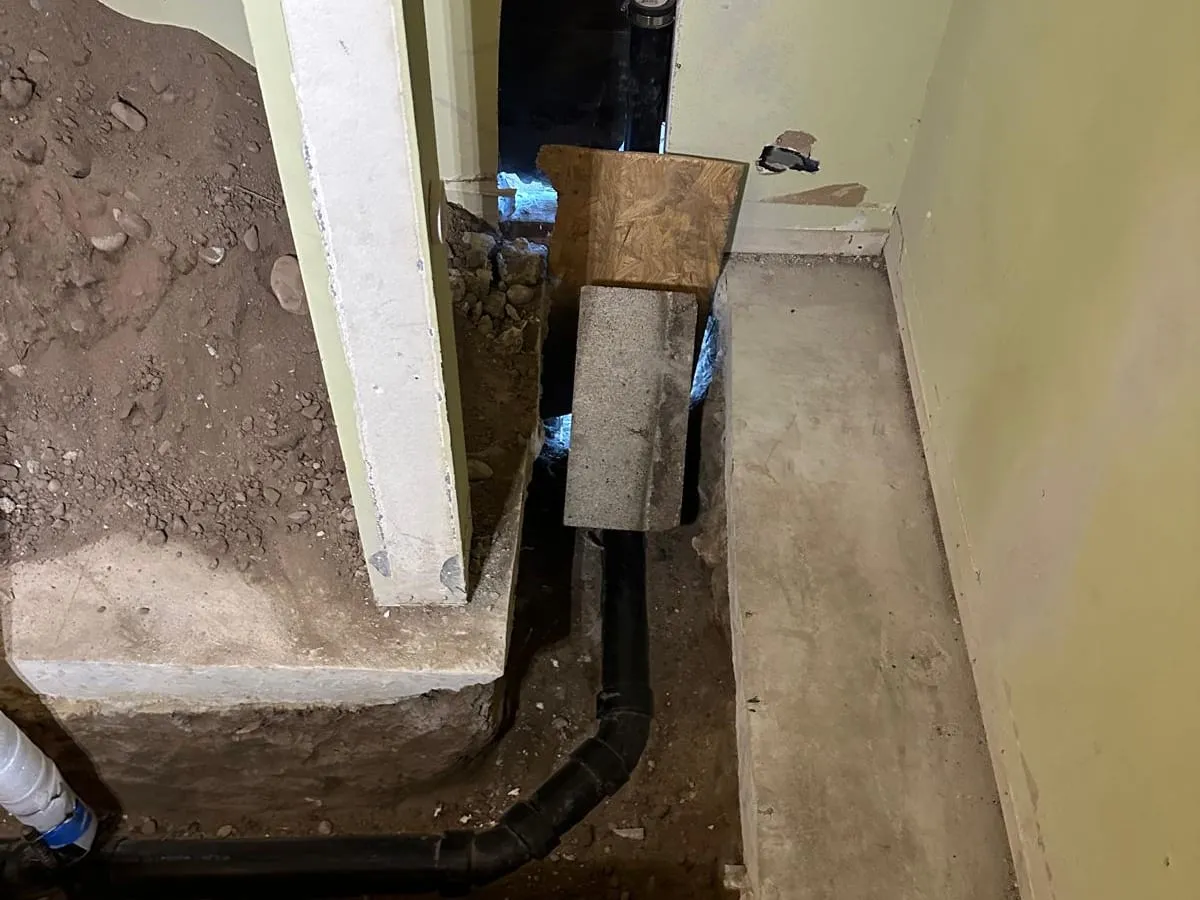
Plumbing notes for Brea
Two oil camps, Olinda and Randolph, joined to form Brea, and the town incorporated on February 23, 1917 as the eighth city in Orange County. The Brea-Olinda oil field under the hills was found in 1880, and pumpjacks are still at work on the slopes along the north and east side, not far from the Olinda Oil Museum and Trail. From the 57 freeway on the west, the city spreads past Brea Boulevard, State College Boulevard and Imperial Highway, then climbs east along Carbon Canyon Road (Highway 142) toward Carbon Canyon Regional Park and Chino Hills State Park. Fullerton and La Habra sit on the west, Fullerton and Placentia on the south, Yorba Linda to the southeast, Chino Hills in San Bernardino County to the east, and the Los Angeles County hills along the north.
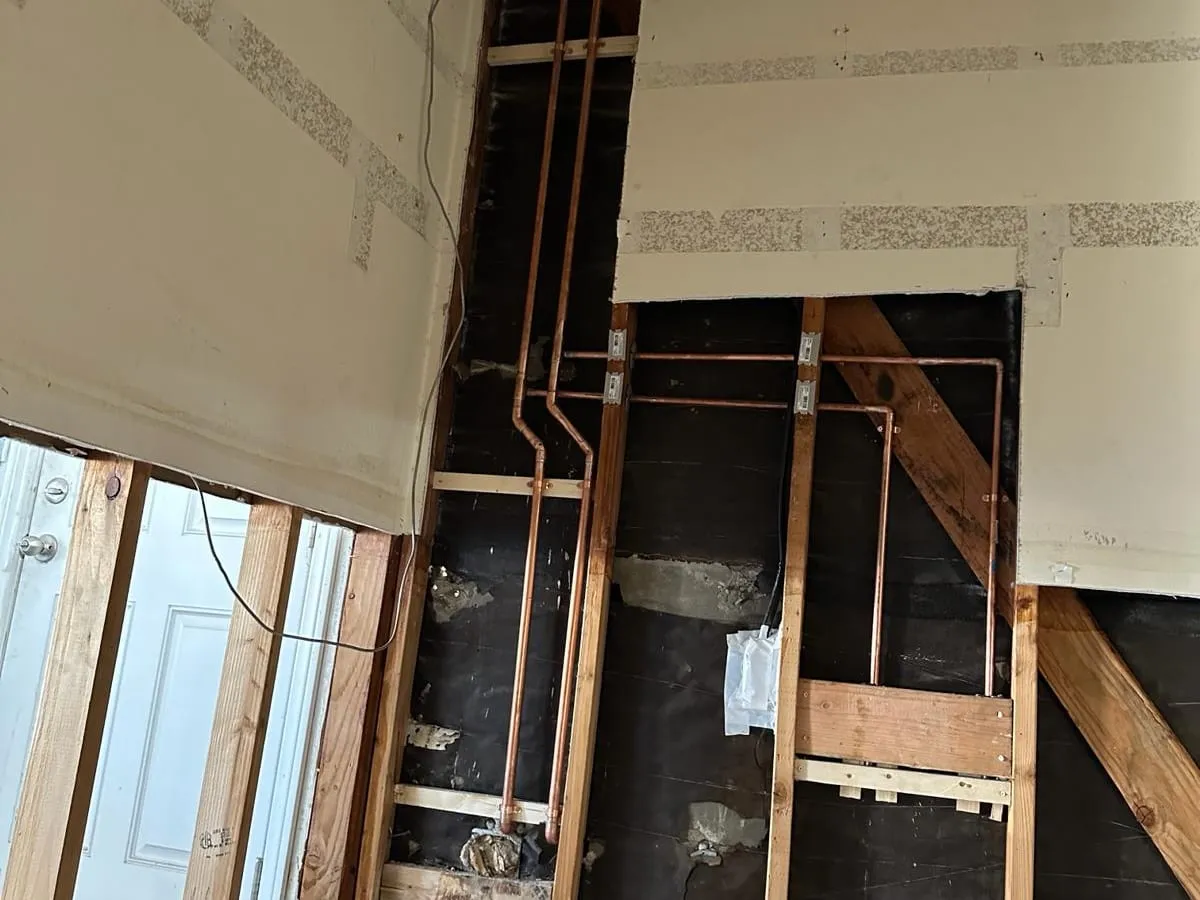
According to the US Census (ACS 2024 5-year), Brea has about 17,400 housing units. The median one was built in 1978, 55 percent predate 1980, and single-family detached houses account for 54 percent, so close to half of the city lives in condos, townhomes and apartments. The older housing is concentrated in the tracts from the 1950s through the 1970s near Downtown Brea and around the mall. Behind those walls you usually find aging copper supply lines (galvanized steel in the oldest houses), cast iron drains and a clay sewer lateral, a combination that leads to corroded pipe, slab leaks, laterals packed with roots and, sooner or later, a repipe.
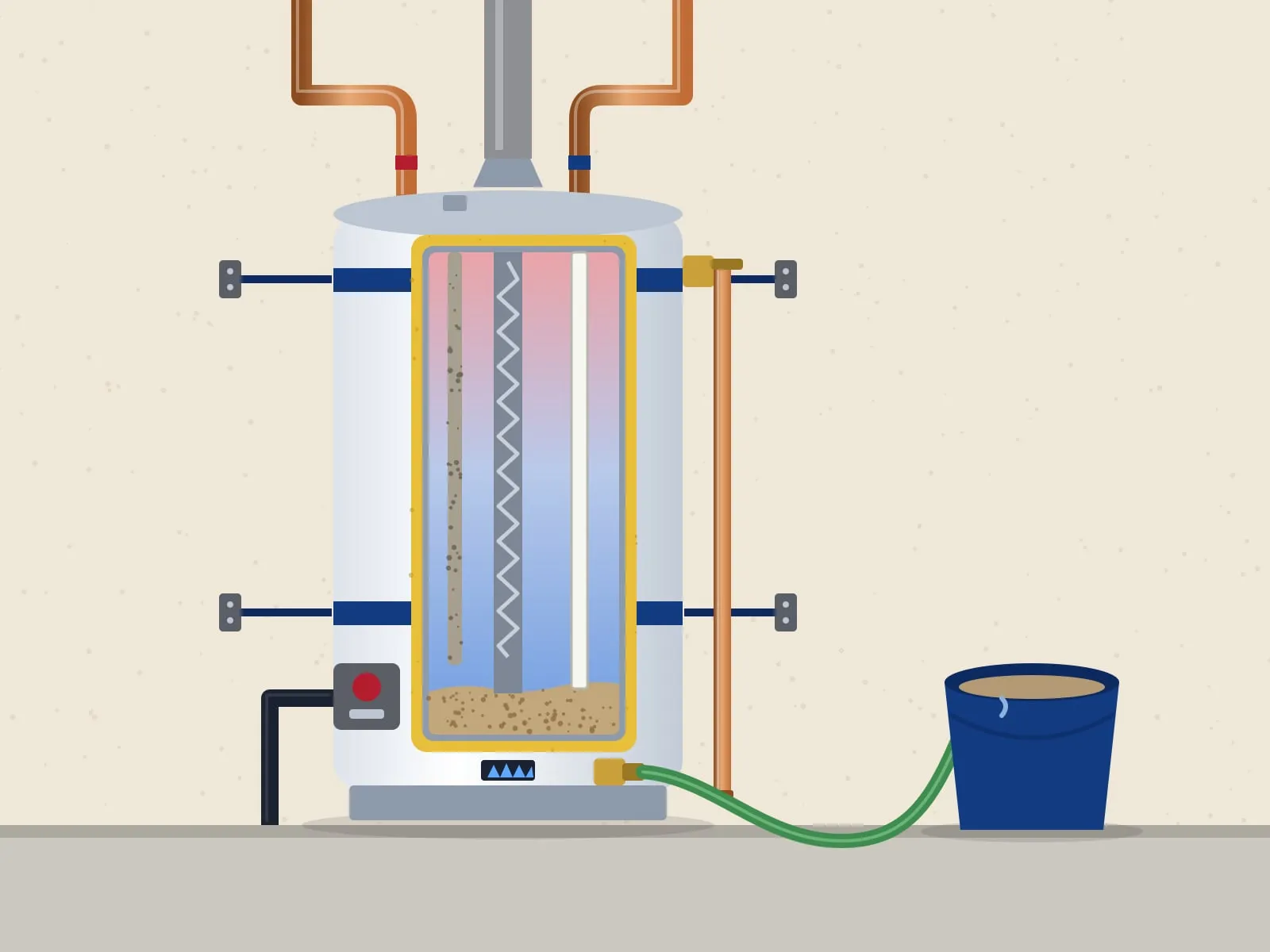
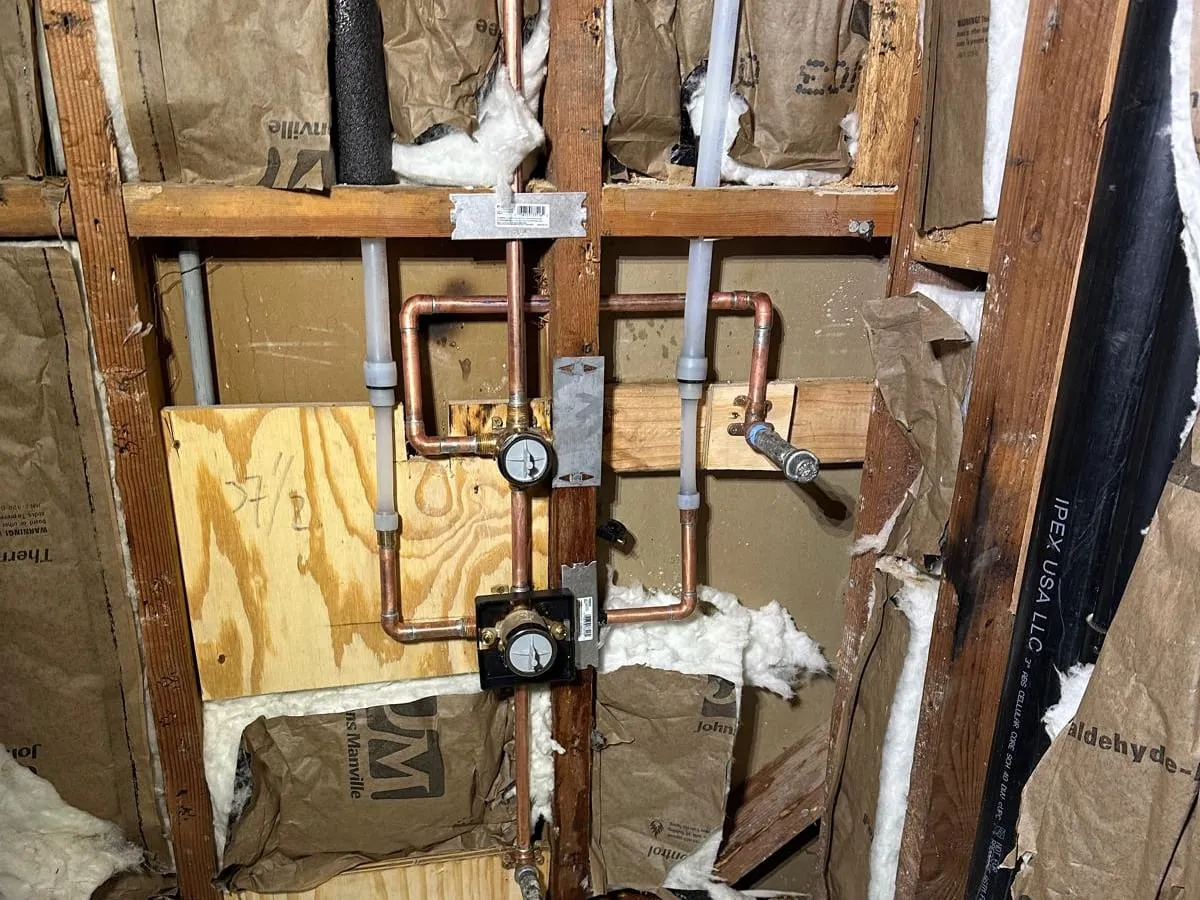
Up toward the canyon the houses get younger. Olinda Ranch, about 660 homes off Carbon Canyon Road and Valencia Avenue built from 2001 to 2006, went in with PEX supply lines, tankless heaters and recirculation pumps, and so did Blackstone and La Floresta, the mixed-use village begun in 2013. Hillside and canyon-edge streets can draw water off the main at more pressure than a house wants, which puts the pressure regulator to work every day until it wears out. Hard water is the other constant in Brea: scale settles inside water heaters of both kinds, in valve seats and in faucet cartridges, in the old tracts and the new ones alike. In the condos and apartments around downtown, a leak may begin behind a shared wall or in a common drain stack, and HOA rules apply, so the plumber finds where it starts before anything is opened.
Most addresses in the city, roughly 13,000 connections, are served by the City of Brea Water Division. Its supply blends groundwater bought from the California Domestic Water Company, pumped in the San Gabriel Valley, with imported water that arrives through the Municipal Water District of Orange County. A few small pockets of Brea are on the Yorba Linda Water District instead. On any of those streets, the owner is responsible for the private sewer lateral that carries waste out to the public main, and SoCalGas supplies the gas. Permits come from the City of Brea, which requires one for water heater replacements, repipes, sewer lateral repairs and gas line work, and ours stay open until a city inspector has signed off. Brea is home base for us, so every street in 92821 and 92823 gets our 24-hour emergency response from the Brea location.
Brea borders Placentia, Yorba Linda, La Habra and Fullerton. Those cities are on our list too, and their calls are routed to whichever location sits nearest the street. Somebody picks up at every hour, the leak or blockage is traced to its source before any drywall or flooring comes up, and the plumber starts once you have signed the written estimate.
Neighborhoods we cover
- Olinda Ranch
- Blackstone
- La Floresta
- Downtown Brea
Brea ZIP codes on our list
- 92821
- 92823